

Near you, no matter where you are.
Appointed Representative of The Right Mortgage Network (FCA No. 1004260). Company No. 15189091. Registered in England and Wales.
Getting a mortgage on a zero-hour contract is absolutely possible but it takes careful preparation, consistent income records, and choosing the right lender. This guide walks you through the exact steps to take, the documents you’ll need, and how to avoid common mistakes that could hold you back.

Jul 14, 2025
Many people assume that having a zero-hour contract automatically rules them out of getting a mortgage. Fortunately, that’s not true. While it might be slightly more challenging than a traditional employment mortgage, with proper planning, documentation, and expert advice, it's completely achievable.
In this step-by-step guide, we'll explain exactly what lenders are looking for and how you can boost your chances of approval.
Mortgage lenders typically assess your income stability rather than your job title. They’re most interested in:
Lenders focus heavily on regular income patterns, not fixed contracts alone.
“Zero-hour contracts don’t automatically disqualify you, lenders just need to see a clear and consistent income story. That’s where preparation makes all the difference.” – Will Sherman
Follow these clear steps to improve your chances of securing a mortgage:
Step 1: Check Your Eligibility Early
Talk to a specialist broker early to understand your borrowing potential clearly.
Step 2: Build Up a Stable Work History
Aim for at least 6–12 months in your current role, keeping detailed records.
Step 3: Document Your Income Clearly
Gather your payslips, bank statements, and a recent P60. Clearly demonstrate consistent earnings.
Step 4: Improve Your Deposit if Possible
A larger deposit (10%+) reduces perceived risk by lenders and improves your options.
Step 5: Review Your Credit Report
Use free credit services like Experian or ClearScore to check your credit profile and address issues proactively.
Wondering how much you can borrow with your zero-hour contract? Use our free Mortgage Calculator Tool to get an instant estimate of your affordability based on your deposit.
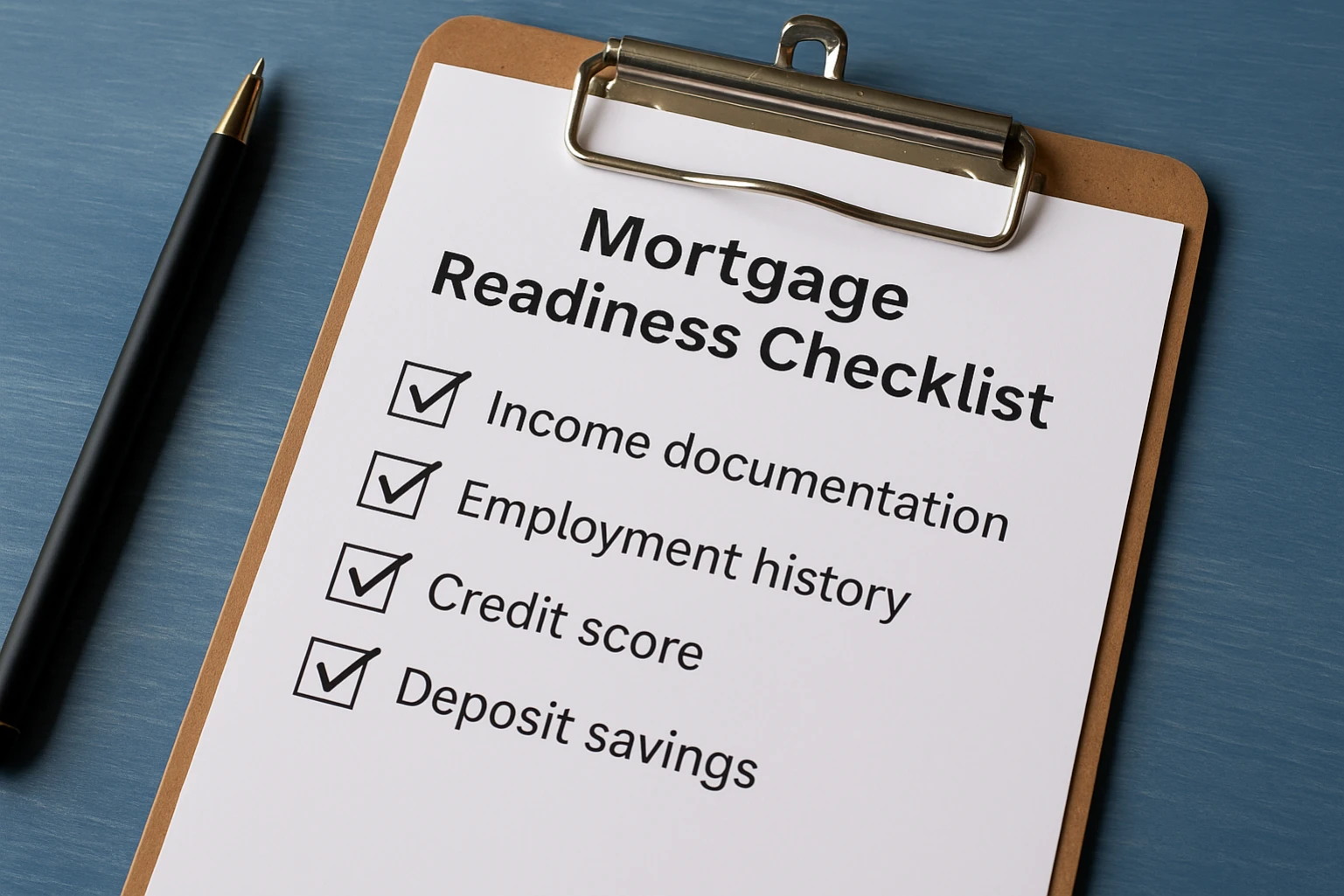
Having the right paperwork ready is crucial. Lenders typically require:
This list from Natwest further confirms these document requirements as standard.
Typically, mortgage applications take 4–6 weeks from start to offer, depending on your paperwork readiness and the lender's speed. Complex applications, including zero-hour contracts, may take slightly longer due to extra affordability checks.
To speed things up, have all documentation ready and respond promptly to queries.
Don’t hurt your chances by falling into common pitfalls:
Not every lender is equally receptive to zero-hour contracts. Some flexible, zero-hour-friendly lenders include:
For detailed lender criteria, refer to Best Mortgage Lenders for Zero-Hour Contracts in the UK (2025 Update)
Yes, although options are fewer. Some specialist lenders accommodate applicants with previous credit issues if you've shown recent financial improvement and have a good deposit.
Not inherently. Risk perception comes from inconsistent or poorly documented income. If you clearly show stable earnings, zero-hour contracts won’t automatically disadvantage you.
Interest rates primarily depend on your overall financial profile (deposit, credit score). Rates can be competitive if your documentation and history meet lender criteria.
At Mortgage Broker Near Me, we specialise in non-traditional income mortgages. Here’s why hundreds of zero-hour contract workers have trusted us:
If you’re ready to explore your options clearly and professionally, contact us today.
Still unsure if a zero-hour contract mortgage is right for you?Start here: Can You Get a Mortgage on a Zero Hour Contract? Our full guide breaks it down in simple terms.

“We’ve helped hundreds of clients on flexible contracts secure mortgages. It’s not about having a standard job, it’s about showing stability in a non-standard way.” – Will Sherman
“Securing a mortgage with a zero-hour contract isn't impossible. It’s about clarity, consistency, and choosing the right lender. At Mortgage Broker Near Me, we focus on telling your financial story effectively to get you the best possible result.”
– Will Sharman, Senior Mortgage Advisor, Mortgage Broker Near Me
Getting a mortgage on a zero-hour contract is absolutely possible but it takes careful preparation, consistent income records, and choosing the right lender. This guide walks you through the exact steps to take, the documents you’ll need, and how to avoid common mistakes that could hold you back.
Read Article
Understanding property tenure is key to making smart buying decisions. This guide breaks down the main types of tenure in the UK, how they affect ownership, and what to watch out for when buying.
Read Article
Changing jobs does not automatically stop you getting a mortgage, but it can trigger extra checks, delays, or even a withdrawn offer if you handle it badly. This guide explains how lenders look at job moves, what counts as “safe” vs “risky”, and the steps you can take to protect your application.
Read ArticleIf you’re buying, moving, or remortgaging, speak with a MBNM adviser and get clear guidance on what’s realistically available to you, before you commit to anything.
Near you, no matter where you are.
Appointed Representative of The Right Mortgage Network (FCA No. 1004260). Company No. 15189091. Registered in England and Wales.


